
Why Medicaid Fraud Enforcement Alone Cannot Solve a $37B Problem | Federal News Network

While federal agencies are placing renewed focus on Medicaid fraud, data shows that over 77% of improper payments stem from simple documentation gaps, not bad actors. Discover why shifting from reactive enforcement to proactive, upstream data verification is the real key to solving this $37 billion problem.
Why AI Can’t Fix Broken Healthcare Processes, Bad Data | HealthcareInfoSecurity
Adding AI to a broken healthcare process won’t fix it. Learn why data quality and operational integrity are the true prerequisites for successful AI modernization in healthcare and Medicaid administration.
Hospitals Cannot Solve Financial Strain Without Fixing Medicaid Intake | Health IT Answers

Hospitals face mounting financial pressure from uncompensated care. Learn how modernizing outdated Medicaid enrollment workflows can help reduce administrative friction, stabilize revenue, and recover lost reimbursements before billing even begins.
How does Maryland stack up in preventing and prosecuting Medicaid fraud? | Boston Sun
Following recent high-profile federal indictments, questions are mounting over how effectively Maryland prevents and prosecutes Medicaid fraud. While the state touts comprehensive safeguards and has secured several multi-million-dollar settlements in 2026, some industry experts warn that the system remains vulnerable to abuse without stronger upfront prevention measures.
Feds Expand AI To Combat Healthcare Fraud | ISMG Network – Healthcare Info Security
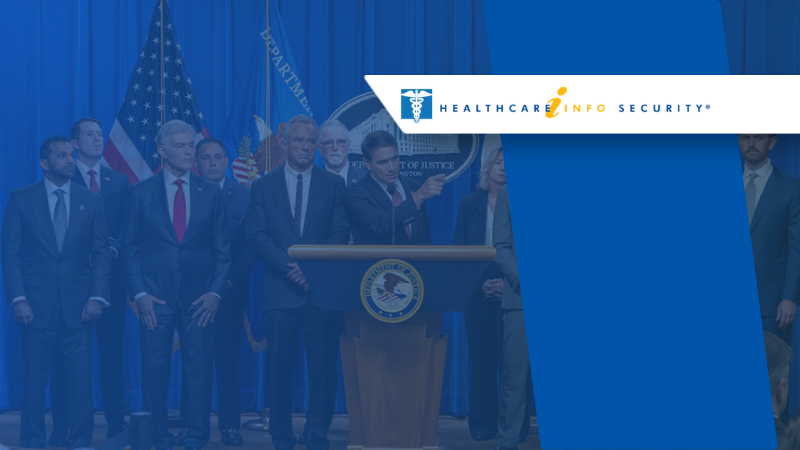
A massive federal crackdown has busted $6.5 billion in fraudulent healthcare claims. Moving forward, federal agencies plan to deeply integrate advanced AI and predictive analytics to flag suspicious billing patterns and stop multi-million dollar fraud schemes before payouts can even occur.
When The System Is Too Hard For The People Who Need It Most | Helpful Living Magazine

At AmeriTrust Solutions, we set out to rethink how Medicaid enrollment begins.
Rather than starting with hundreds of questions, we built a platform that uses verified data to prefill applications wherever possible and only asks people what is truly required for their individual situation. The result is a dramatically shorter experience that can be completed in about 12 minutes. This approach doesn’t just make life easier for applicants. It also improves data quality for states, reduces administrative workload, and strengthens program integrity by cutting down on eligibility-related errors that drive improper payments.
Enrollment Failures Deepen Pennsylvania’s Medicaid Crisis | Western PA Healthcare News

As Pennsylvania’s Medicaid system faces mounting strain, over 300,000 residents are at risk of losing coverage. In this article, Peter Justen explores how complex enrollment processes and administrative friction are accelerating this crisis. Learn how improving application intake can reduce avoidable errors, protect vulnerable rural hospitals, and safeguard patient access to care.
Fixing Eligibility At The Point Of Care | MedTech Intelligence

In Medicaid, eligibility uncertainty at the point of care introduces massive reimbursement risks for medical devices and therapeutics. Discover why the solution isn’t more aggressive auditing, but fixing data fragmentation before care is even delivered.
Insurance Performance Hinges on Eligibility Intake Data | Insurance Thought Leadership

Peter Justen argues that insurance performance is determined upstream at eligibility intake — not in claims processing or fraud detection downstream.
Medicaid Fraud Provider-Committed Crime Difficult To Prevent | Lehigh Valley Press
Lehigh Valley Press examines Medicaid fraud and how AmeriTrust Solutions flags applicant fraud before it enters the system through its 12-minute enrollment platform.